Every session, both days
Two days at Stevens Institute of Technology. Keynotes and select panels go on the record. Working groups don't.
28 sessions · 3 tracks · 2 days
- Accelerating Innovation Forum
- How GenAI changes opportunity identification, strategy, product management, commercialization and leads to new transformational products and services.
- Reinventing Product Forum
- How GenAI transforms product development, engineering, manufacturing, R&D and scientific discovery.
- What’s Coming Next Forum
- What are the emerging GenAI technologies that every innovation leader should understand.
Day 1
08:00
Registrations & breakfast
Registrations & breakfast
09:00
Opening keynote - Rainer Struck
Opening keynote by Mars SVP Rainer Struck.
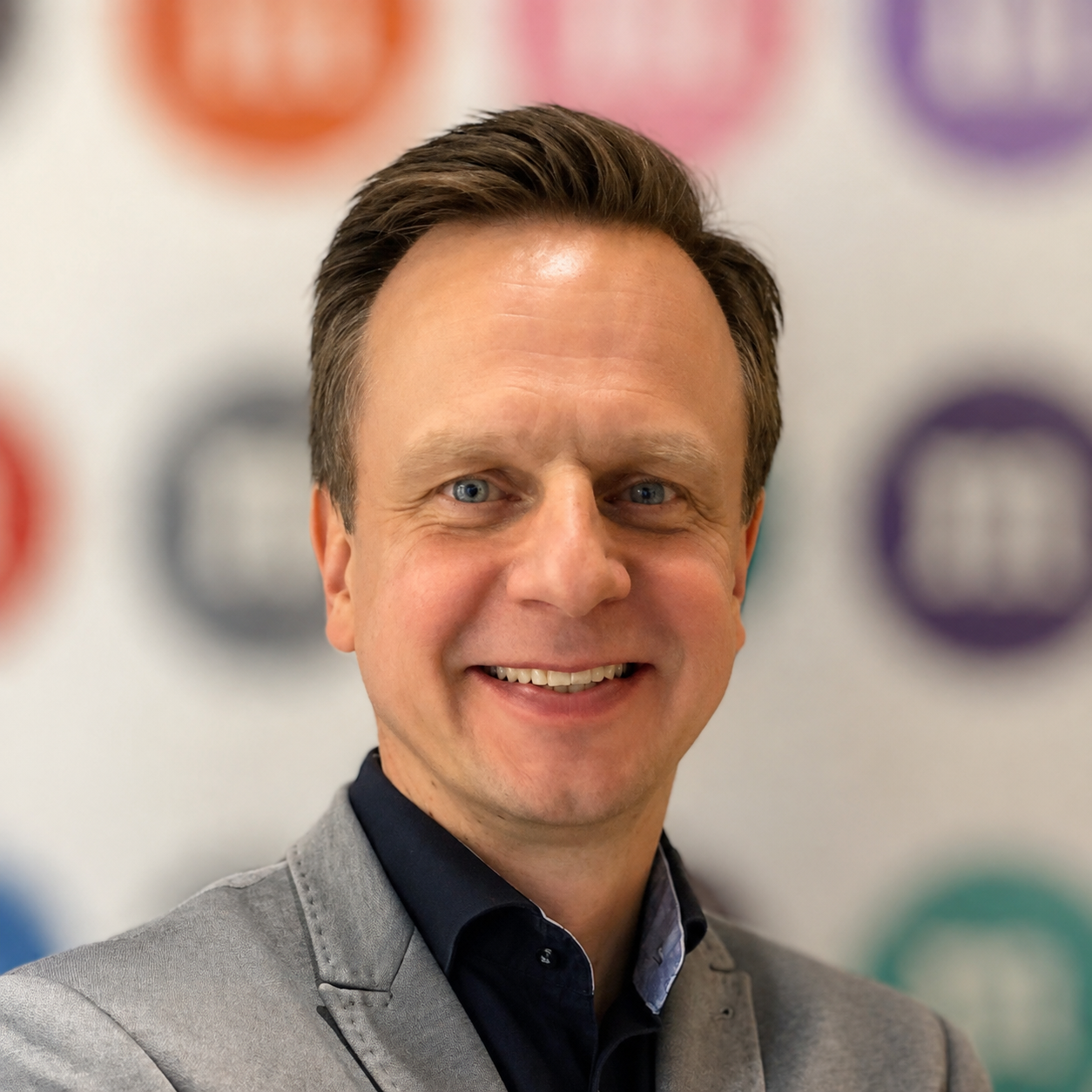 Rainer StruckMars Snacking | Mars Inc.
09:30
Keynote on AI and the innovation management process
Keynote by Bob Cooper on the innovation management process and AI
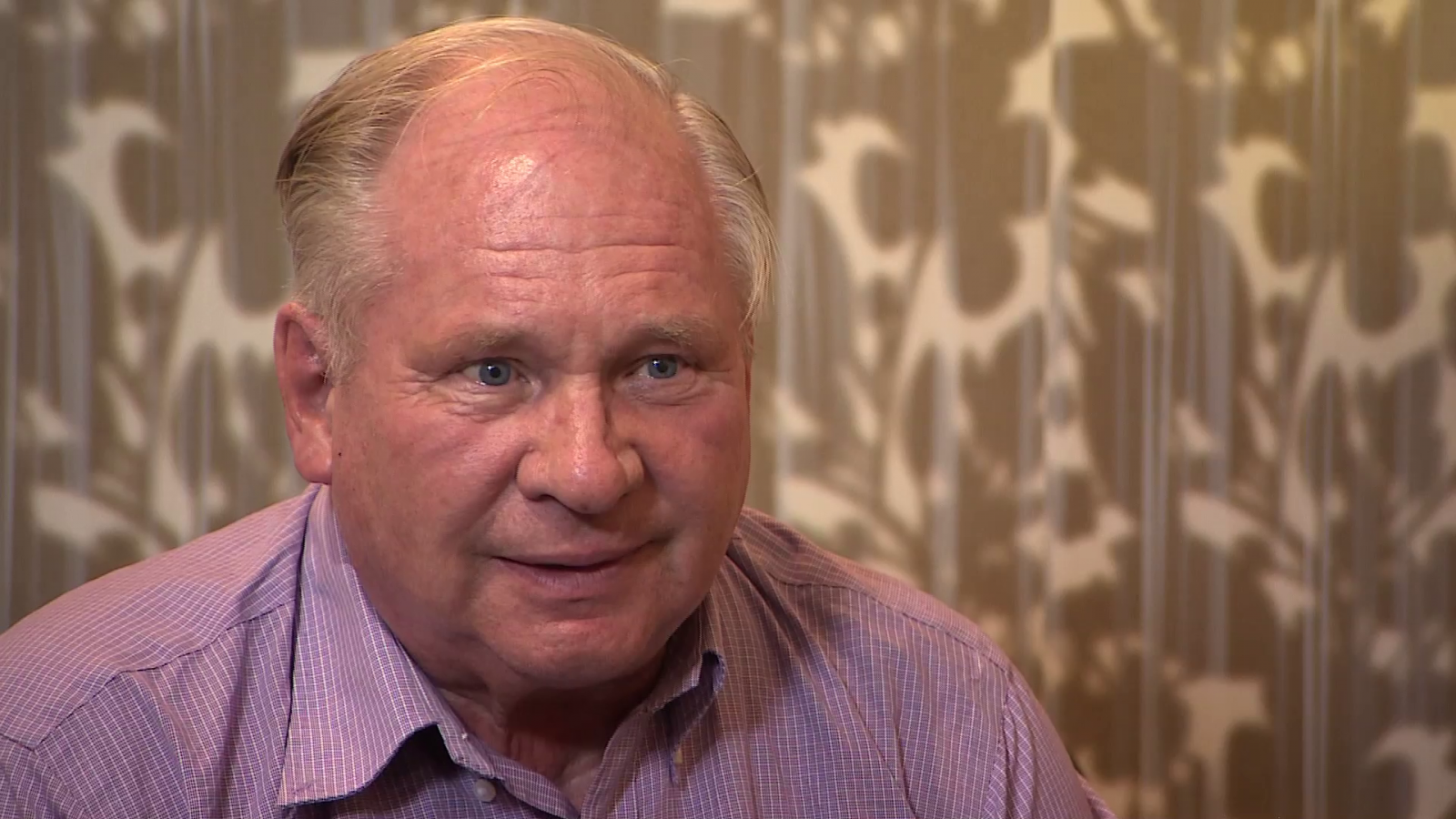 Professor Robert G. Cooper
10:30
Morning breakout session
Informal breakout session to interact with keynoters | Informal Q&A
10:45
11:20
Mid-morning keynote 2
Keynote by Sangeet Paul Choudary, author of Reshuffle and Thinkers50 awardee
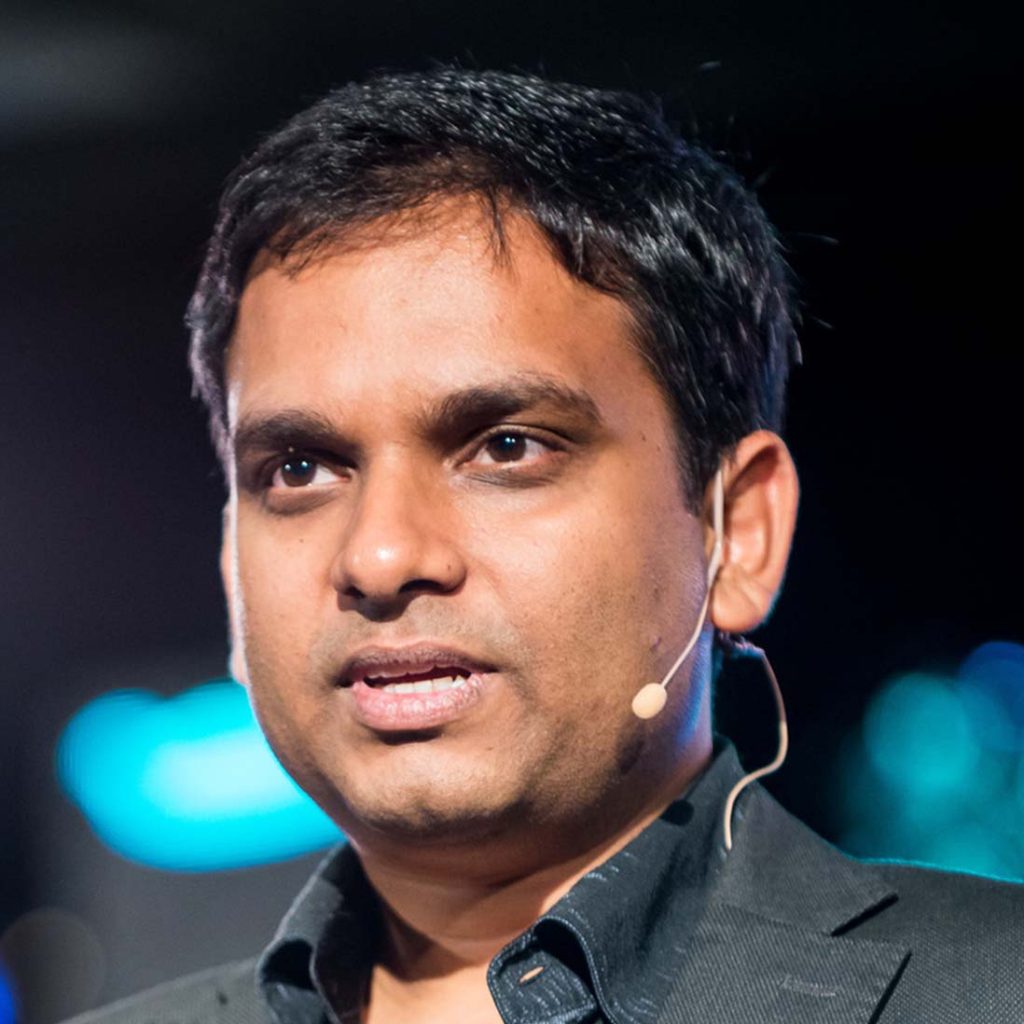 Sangeet Paul ChoudaryPlatformation Labs
12:00
Reid AI
Reid AI creator Ben Relles in conversation with Reid Hoffman's digital twin
12:30
Lunch: either seated or working
A seated or working lunch depending on how busy the program gets.
13:00
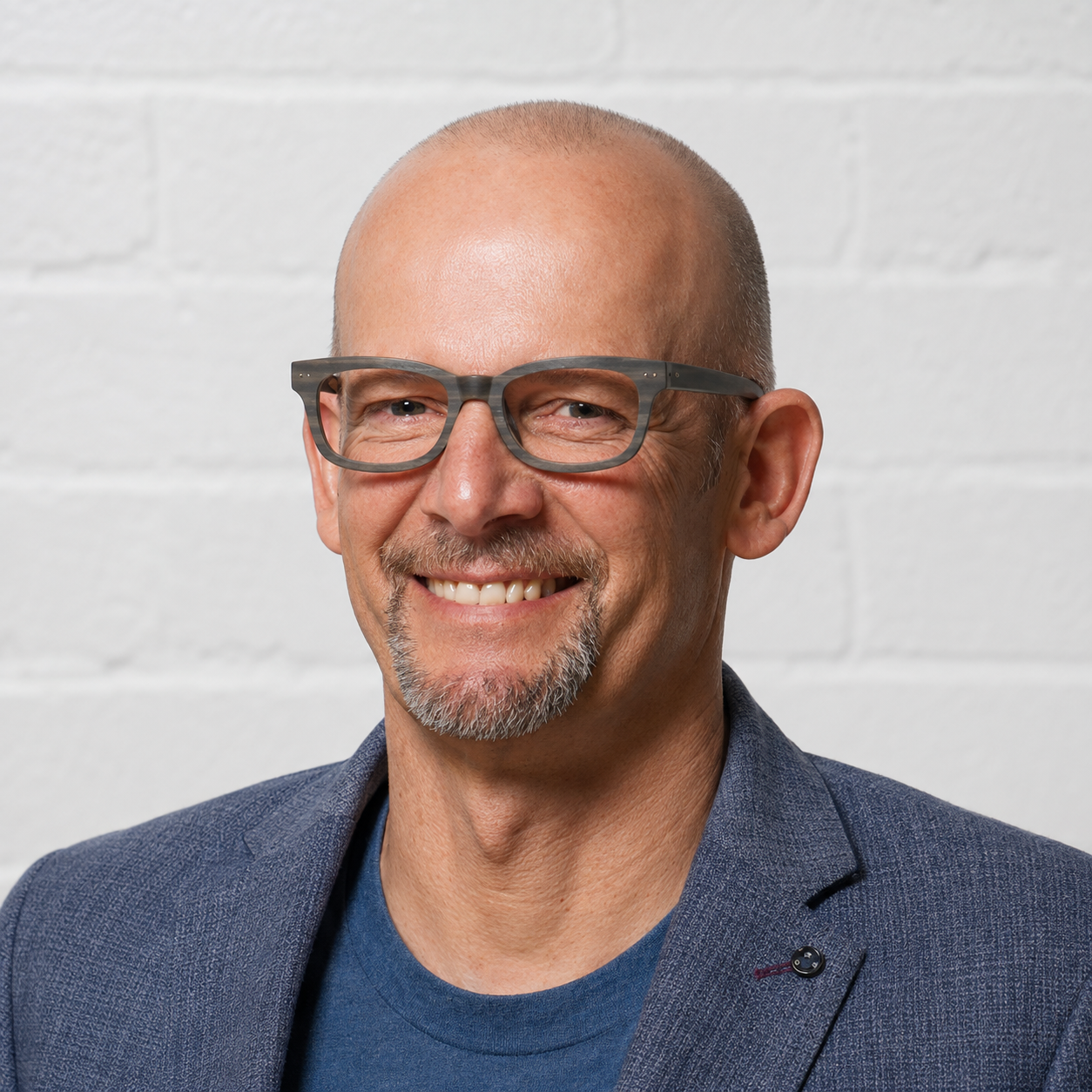
Company session - Loft Design
Company session by Gregor Mittersinker - Founder of Loft Design
 Gregor MittersinkerLoft Design
13:30
Session by Prof. Frank Piller
Prof. Frank Piller shares his research and experiences on accelerating innovation with AI in large companies
 Professor Frank PillerRWTH Aachen University
14:00
Breakout session
Company representative informally de-brief after the first company presentation discussing specifics or sharing their own experiences and challenges.
14:30
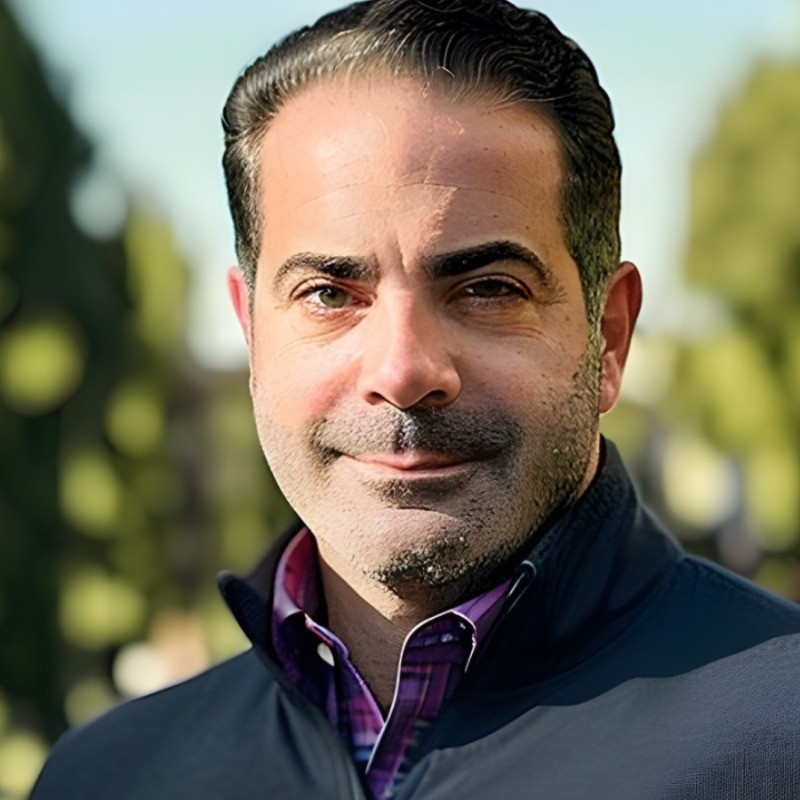
Human-Agent Hermeneutics: Designing the interpretive loop between people and AI as meaning, intent, and understanding evolve over time.
As AI systems take on more complex work, the challenge is no longer just whether they can generate useful answers. It is whether people and AI can maintain a shared understanding as goals, context, intent, and circumstances change over time. This talk introduces Human-Agent Hermeneutics as a practical way to think about that problem. It examines the interpretive loop between people and AI: how systems understand a situation, infer intent, form a plan, act, and then adjust based on the consequences. Attendees will learn where this loop can break down, why those failures become more consequential as AI systems become persistent and agentic, and how product teams can design for correction before misunderstanding becomes action. Participants will leave with a framework they can use to evaluate AI experiences, identify gaps in shared understanding, and design clearer mechanisms for interpretation, confirmation, correction, and adaptation.
 Marc ScibelliCisco
15:00
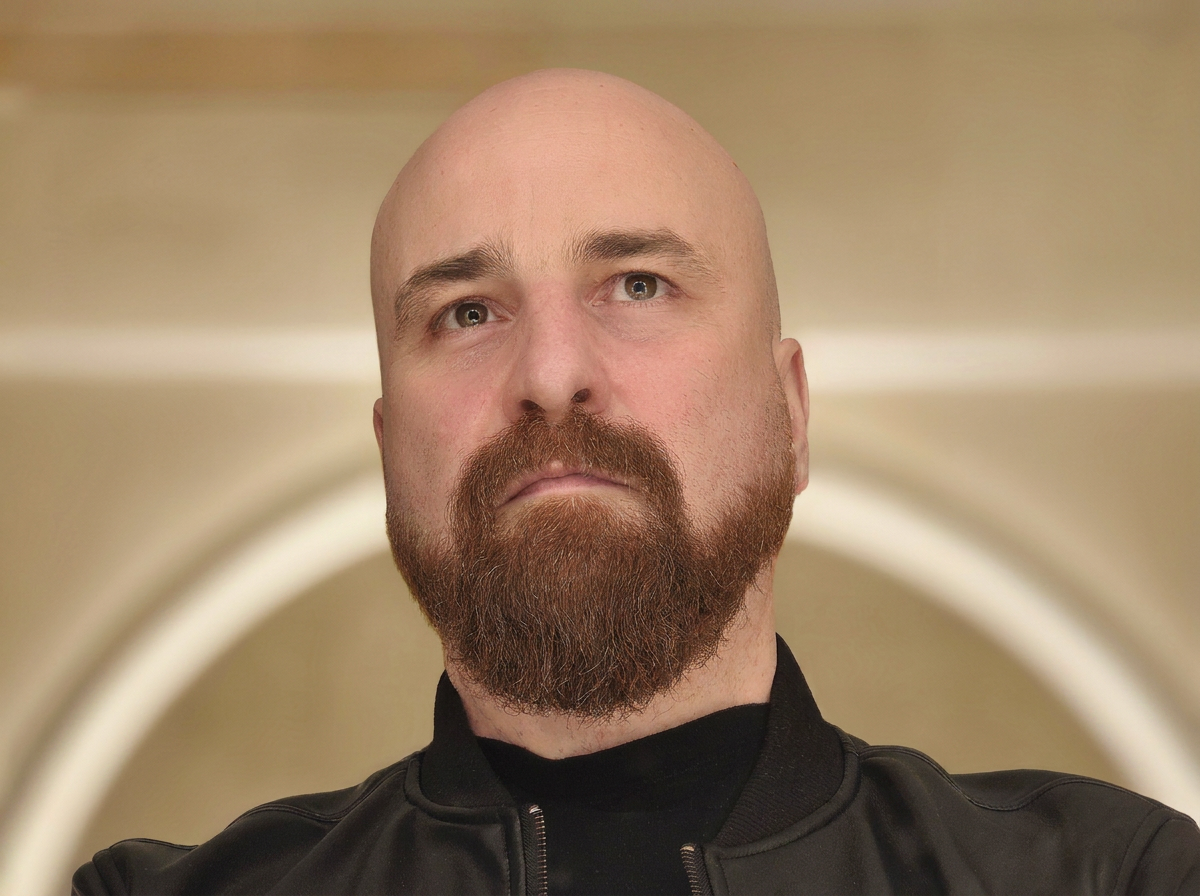
Company session - NewBalance - Ancestral Intelligence: Remembering Before Scaling
AI arrives with unfiltered excitement: instant answers, limitless generation, transformation overnight. Excitement becomes expectation, and hype is mistaken for impact. Yet humans do not move at computational speed. Our biology is not a constraint to overcome; it is how we sense, judge, learn, and make meaning. Drawing on two decades of building intelligent systems, with learnings from across architecture, teaching, programming and product design,Onur Yüce Gün examines what creates value, what fails before implementation, and what changes at enterprise scale. Tools can scale. People, practices, and value chains cannot transform overnight. Ancestral intelligence means working with these realities, not resisting technology. This approach helps organizations identify data-driven machine-learning solutions grounded in needs and integrate them seamlessly into established ways of making. Trust, craft, infrastructure, and responsibility develop through bodies, relationships, iteration, and time. AI changes capabilities, not fundamentals. Meaning remains human, value remains embodied, and impact is built over time.
 Dr. Onur Yüce GünNew Balance
15:30
Breakout session
Company representative informally de-brief after the first company presentation discussing specifics or sharing their own experiences and challenges.
16:00
Company session - Dassault Systèmes - Physics Doesn't Negotiate: What AI Agents Actually Change About Building Physical Things
Generative AI is changing engineering work, though not in the way most demos suggest. The unit of work is moving up: engineers increasingly specify intent and judge machine-generated output rather than produce it. This is not the removal of the engineer but the relocation of the engineer — from producing the answer to being accountable for it. That shift reshapes how teams, reviews, and risk are organized, and it meets a constraint software never faced. A hallucinated sentence is an inconvenience; a hallucinated bracket fails in the field, under load, with someone standing next to it. Physics doesn't negotiate. The session offers a practical model for where AI adoption actually lands in physical product development: adoption follows the cost of error. Applications arrive first where mistakes are cheap and reversible, move next into manufacturability checks during design, and only later into closed feedback loops with field data. Drawing on a community of more than two million engineers, enterprise product teams, and early-stage hardware companies, it examines what grounds an agent in real engineering context, why captured design intent is becoming the scarce asset, and how organizations preserve tacit knowledge before it retires. Attendees leave with a sequencing framework for their own portfolio — and an honest account of what does not yet work.
 Suchit JainDassault Systèmes
17:30
End of day 1 - Cocktails and Dinner
Cocktails and dinner
Day 2
08:30
Breakfast
Breakfast and networking
09:00
Opening keynote
Erik Brynjolfsson on the economics of AI for innovation
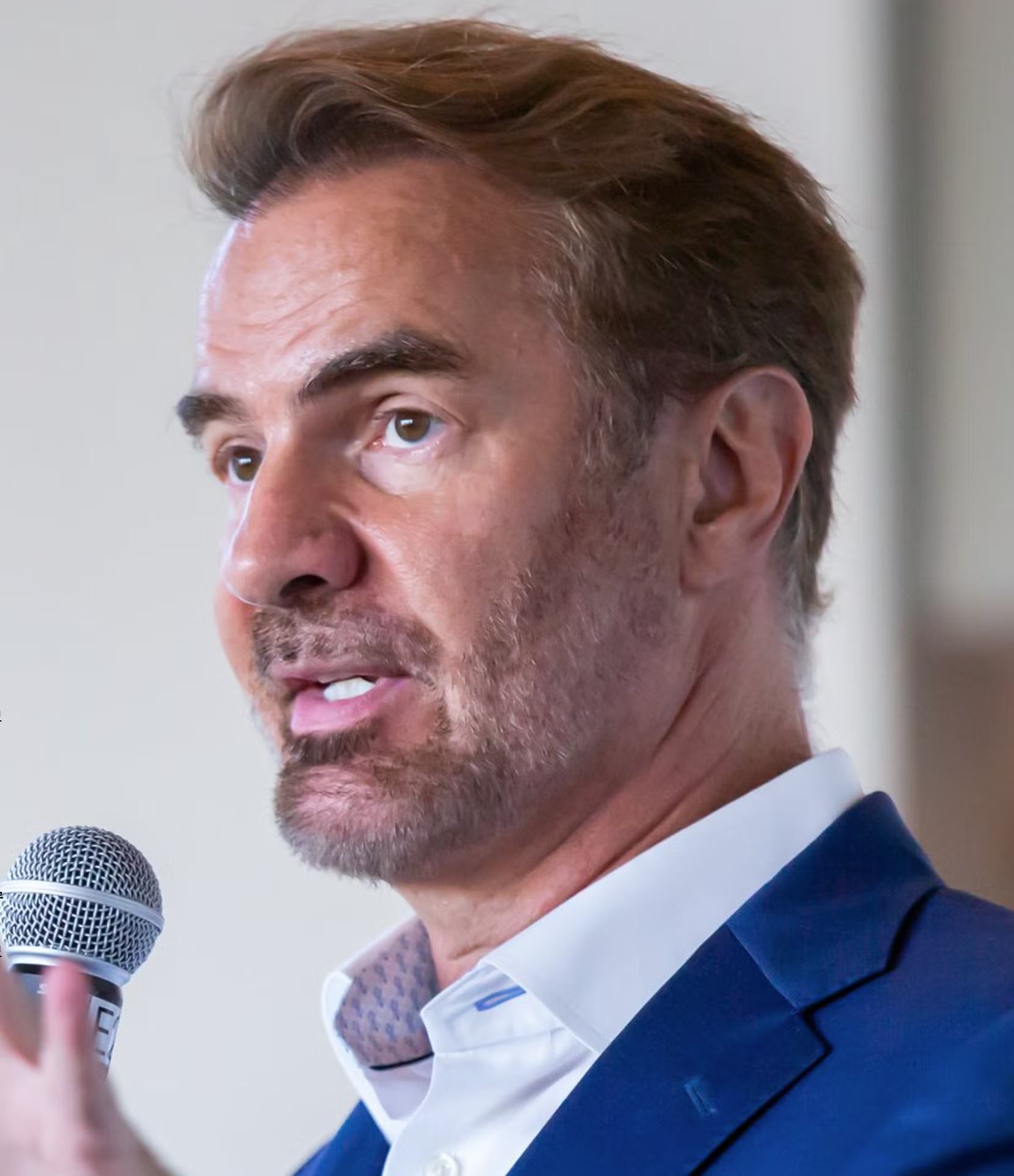 Professor Erik BrynjolfssonStanford Institute for Human-Centered AI (HAI)
09:45
Keynote on reinventing product development at a large aircraft manufacturer.
Keynote on reinventing product development.
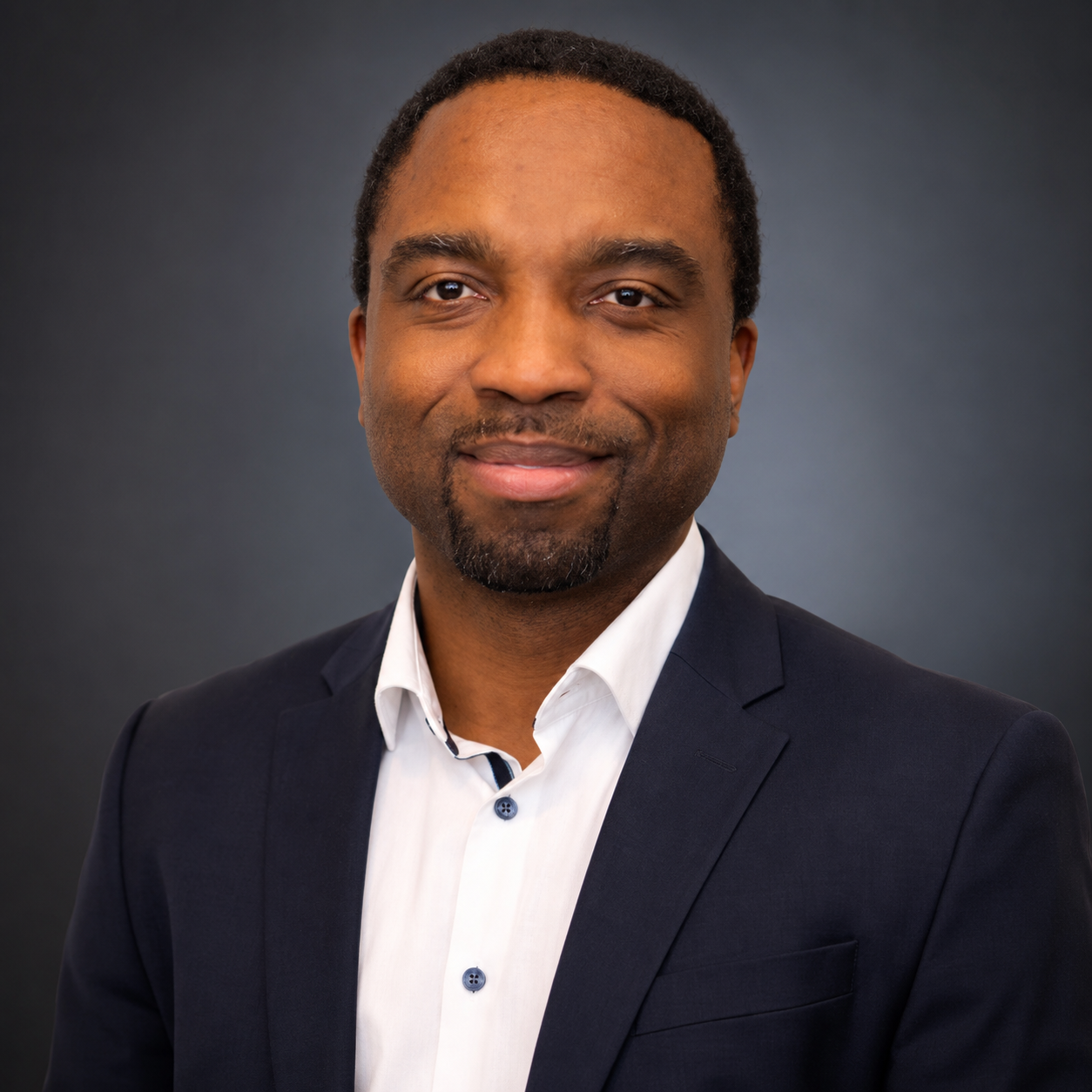 Armel DjeukouAirbus
10:30
Morning breakout session
Informal breakout session to interact with keynoters | Informal Q&A
10:45
Mid-morning keynote
Scott Anthony on AI and Disruptive Innovation Management in large companies
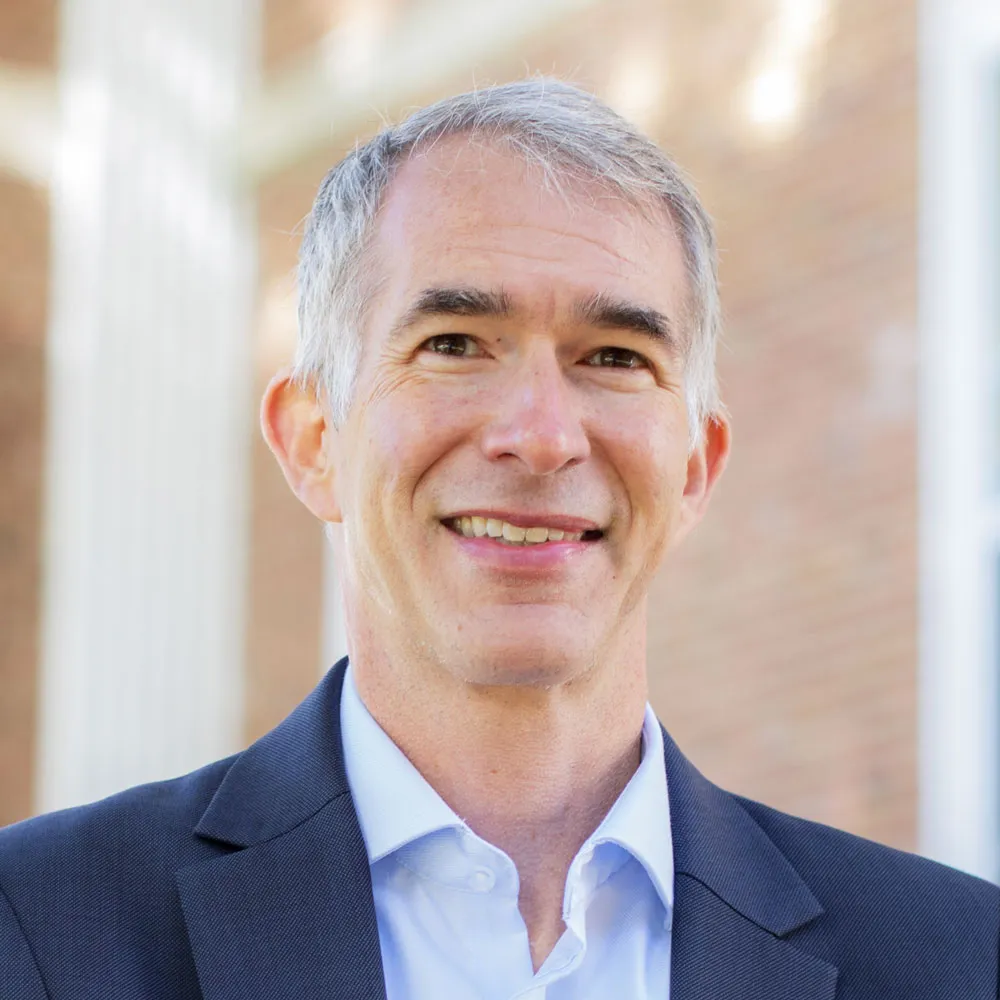 Scott AnthonyTuck School of Business, Dartmouth College
11:30
Mid-morning breakout session
Formal Q&A to all keynoters
12:00
Lunch: either seated or working
A seated or working lunch depending on how busy the program gets.
13:00
Company session by Stephanie Knizkov - Mercedes Benz AG
Company presentation: Mercedes Benz AG
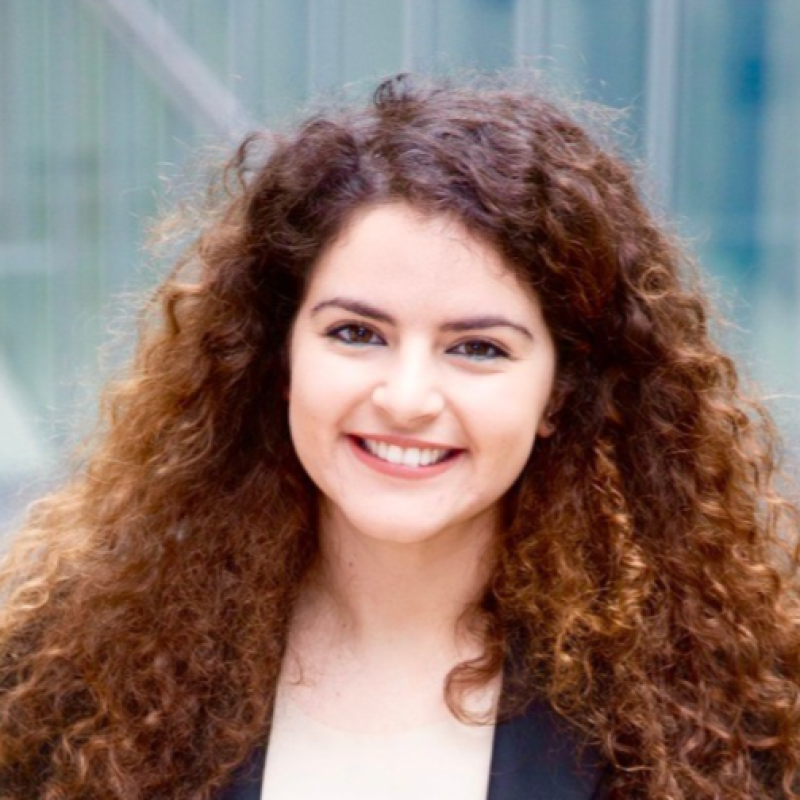 Dr. Stephanie KnizkovMercedes-Benz AG
13:30
Who Designs, and Why? Humans, AI, and the Future of Engineering
Generative AI is accelerating engineering and product development, but speed alone does not ensure better innovation. As these systems move from tools to teammates and coaches, organizations must decide which parts of design should be automated, where human judgment remains essential, and how to structure collaboration so that AI expands rather than narrows what teams can imagine. This session explores the shifting boundary between human ingenuity and machine intelligence in product development. Drawing on research in human-AI collaboration, engineering design, creativity, and teamwork, I will show how AI changes both the solutions teams produce and the processes they use to produce them. Attendees will learn how to identify tasks where AI can create real value, design workflows that preserve expert oversight and productive disagreement, and evaluate human-AI systems based on team outcomes rather than model performance alone. Examples spanning design synthesis, engineering decision-making, and AI-supported teamwork will illustrate both the opportunities and the failure modes. The practical goal is to help leaders redesign innovation work so that GenAI accelerates exploration while human expertise continues to guide decisions, accountability, and what ultimately gets built.
 Chris McCombCarnegie Mellon University
14:00
Breakout session
Company representative informally de-brief after the first company presentation discussing specifics or sharing their own experiences and challenges.
14:30
GenAI in R&D: Application and the Messy Adoption
A practical look at how a global R&D organization is putting GenAI to work, including the messy middle of adoption that rarely gets discussed. Real use cases from Mondelez R&D, from GenBI applied to our data for discovery and governance, to AI acting as a teammate that challenges technical plans and sharpens rigor.
 Aaron NickelsMondelez International
15:30
End of day 2
Closing remarks